← All Topics
Ancient Egyptian Glass Inlays May 2026
These objects are decorative glass and faience inlays from ancient Egypt, primarily from the Ptolemaic Dynasty and Roman Period, used for ornamentation in jewelry, architecture, and other decorative applications.
12 objects · 3 institutions
▶ Slideshow
All (12) Met (5) Cleveland (4) Chicago (3)
Architectural Inlay
Metropolitan Museum of Art
ca. 1390–1352 B.C.
IIIF
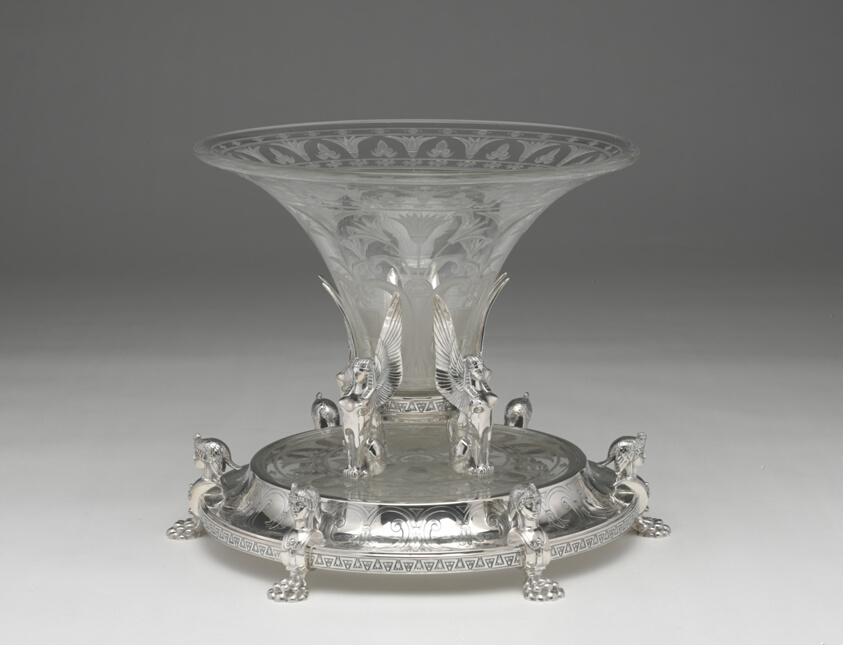
Centerpiece
Art Institute of Chicago
c. 1880
IIIF
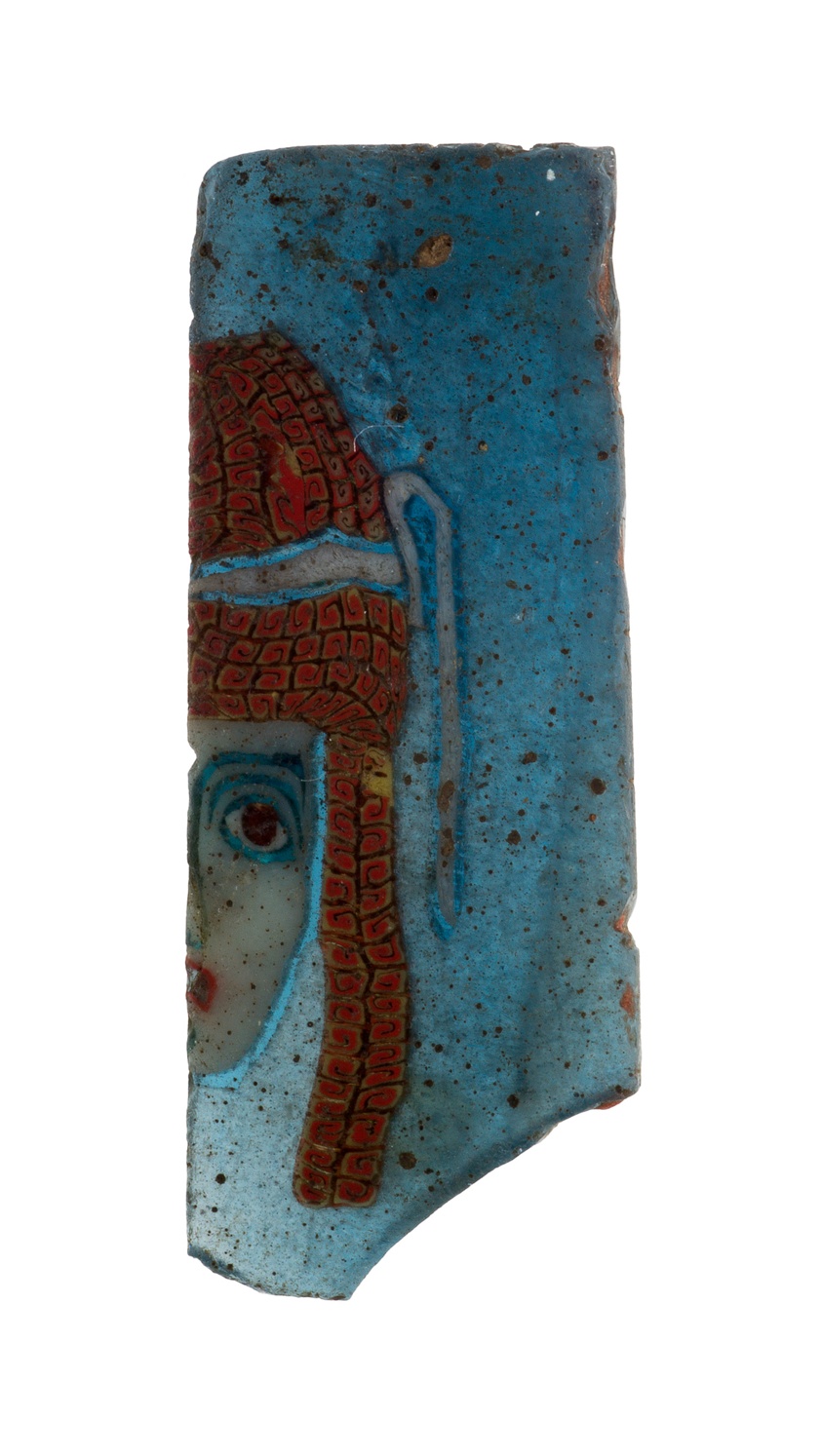
Fragment of an Inlay Depicting a Theater Mask
Art Institute of Chicago
late 1st century BCE-early 1st century CE
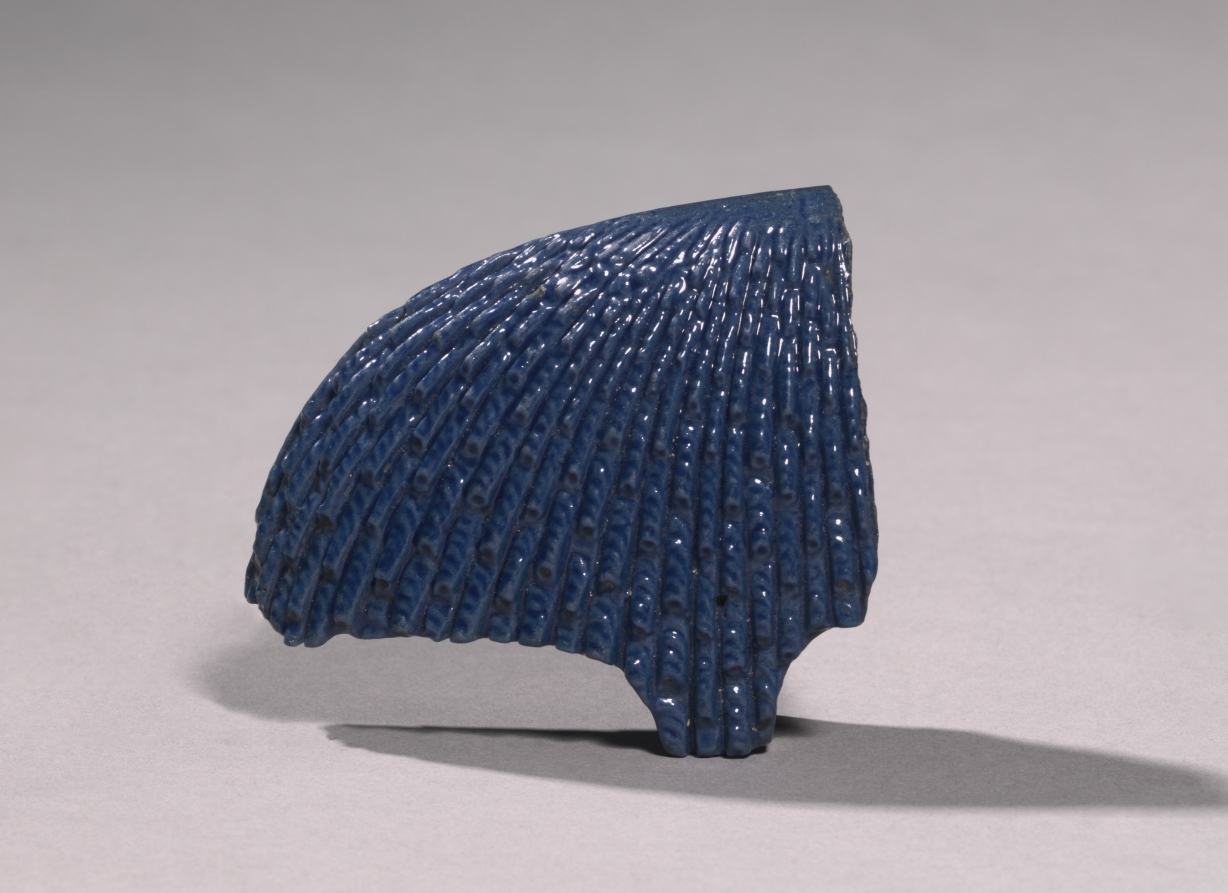
Fragment of an Inlay Headdress
Cleveland Museum of Art
c. 1353–1295 BCE
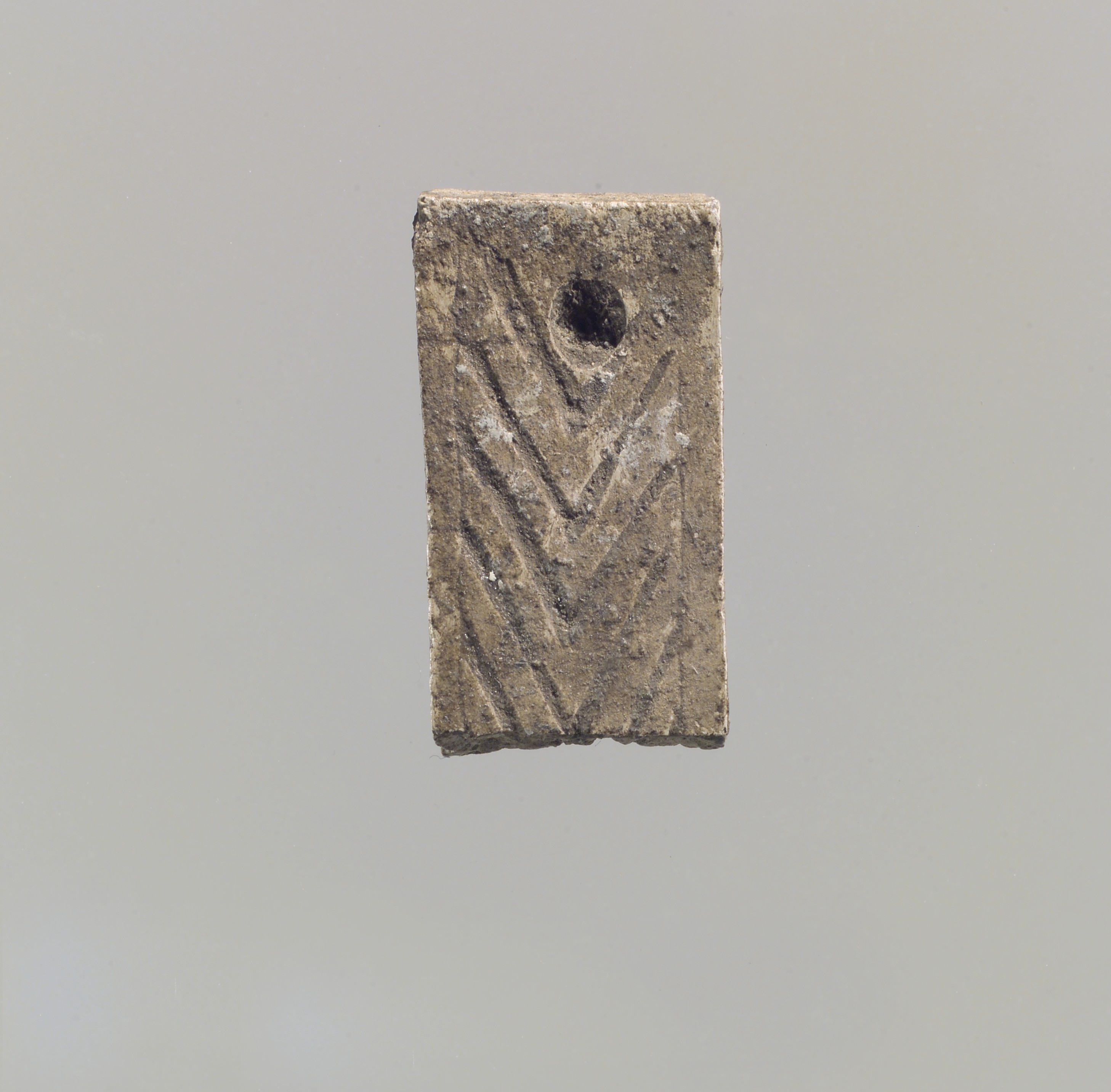
Inlay
Metropolitan Museum of Art
ca. 18th century BCE
Inlay
Metropolitan Museum of Art
ca. 1070–343 B.C.
IIIF
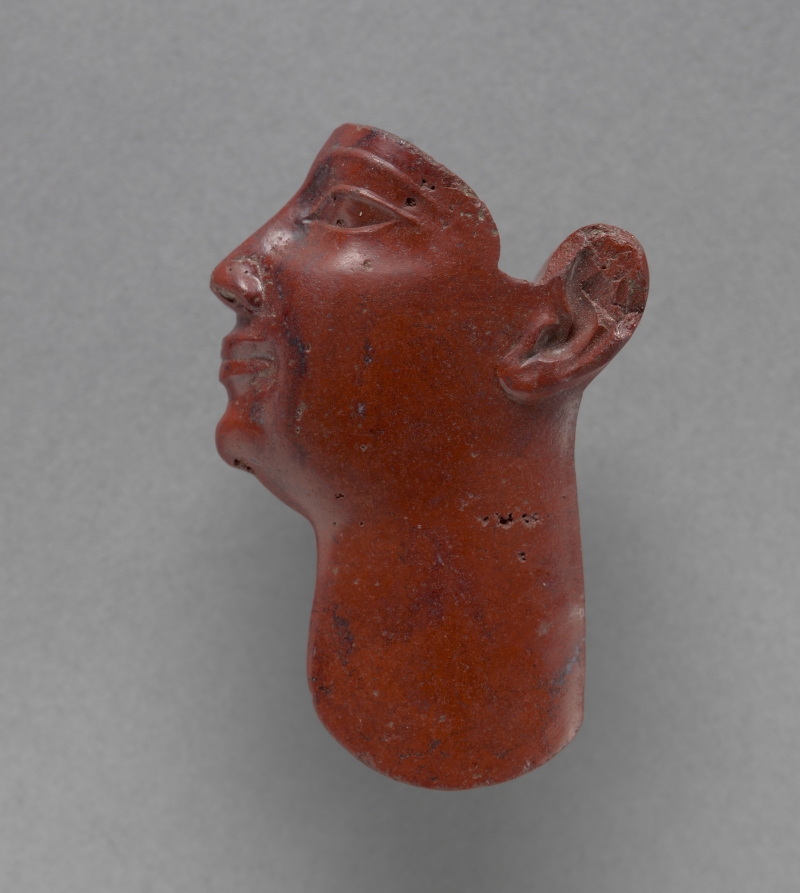
Inlay Depicting the Face of a King
Art Institute of Chicago
Ptolemaic Period (332–30 BCE)
Inlay, hieroglyph
Metropolitan Museum of Art
664–610 B.C.
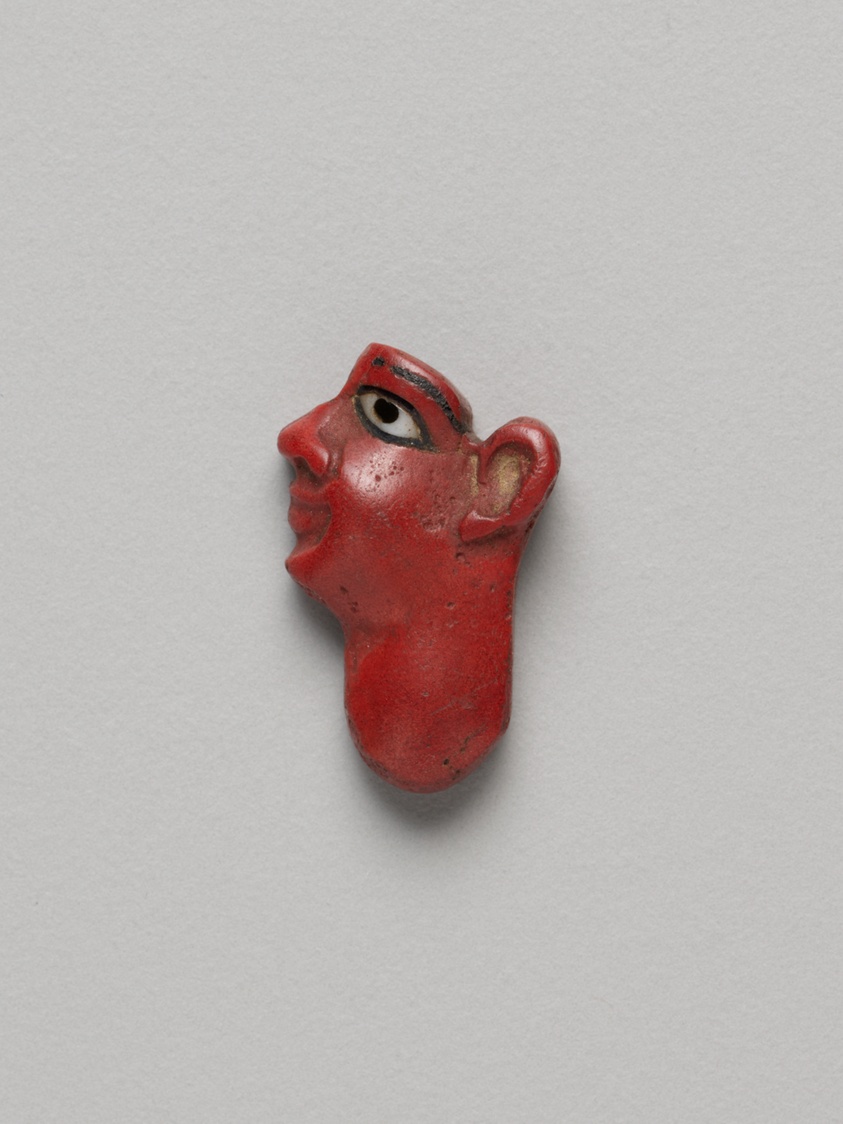
Inlay: Head of a King
Cleveland Museum of Art
380–246 BCE
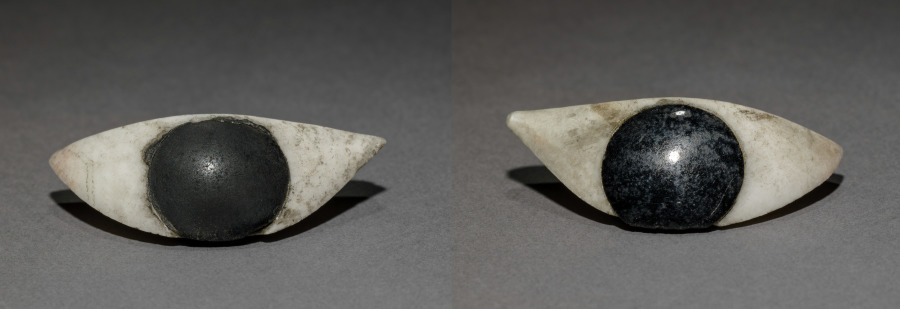
Pair of Inlay Eyes
Cleveland Museum of Art
1980–1801 BCE
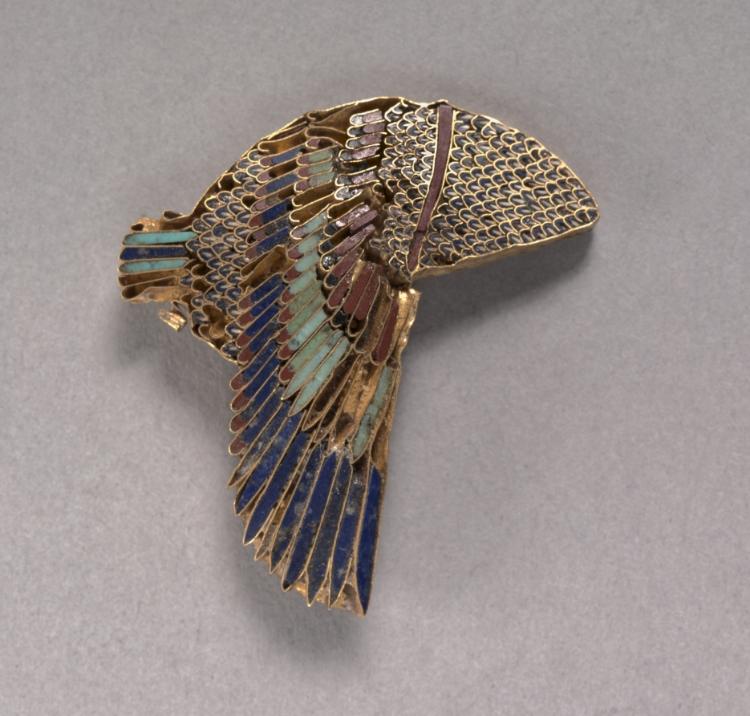
Vulture Headdress Inlay
Cleveland Museum of Art
100–1 BCE
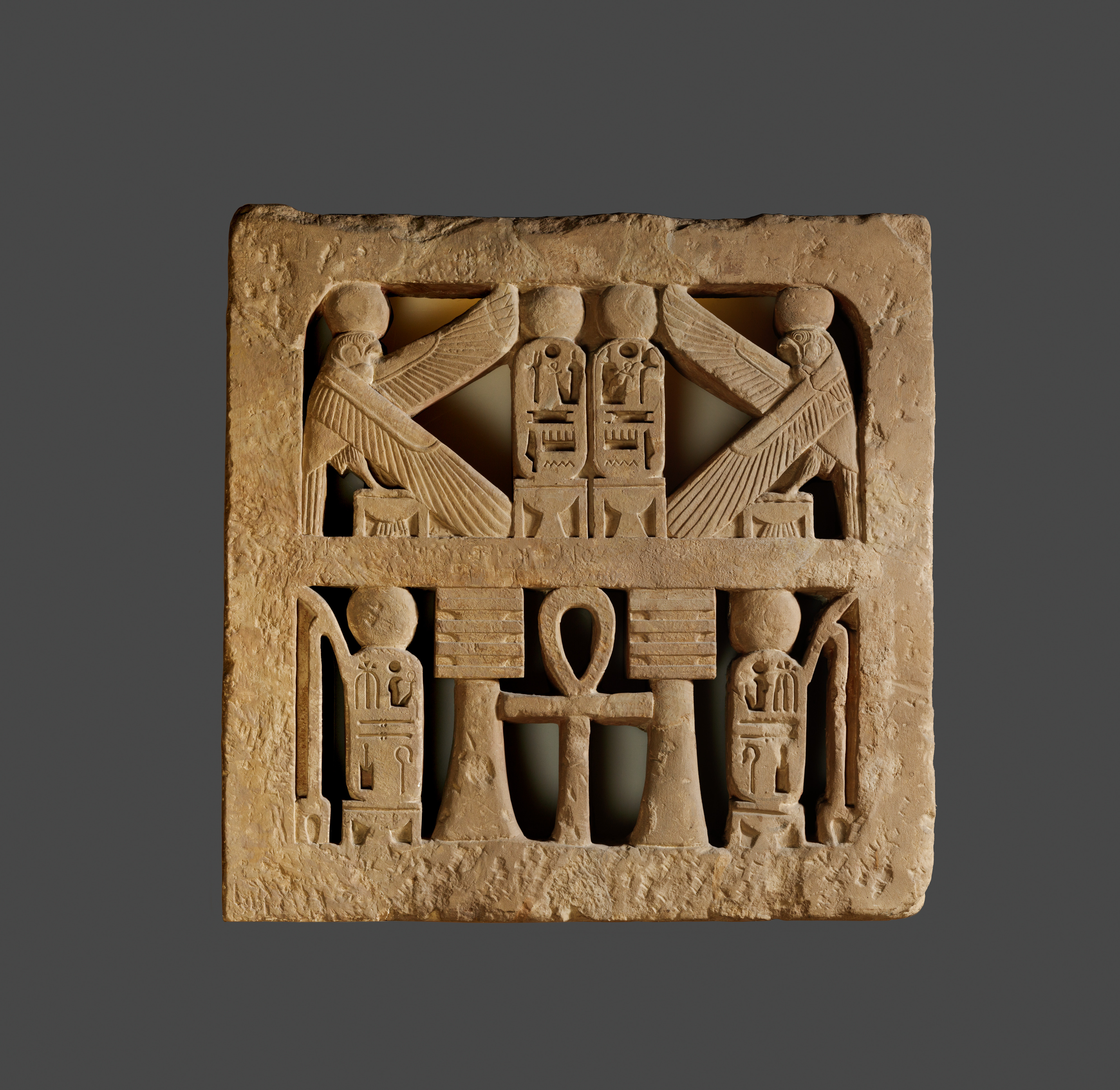
Window grill from a palace of Ramesses III
Metropolitan Museum of Art
ca. 1184–1153 B.C.
Explore: Search · Topics · People · Galaxy · Videos · Pilot
Follow LinkedCulture: YouTube · Instagram
LinkedCulture is an independent research project developed by Le Monde Web, LLC, led by Edward Monk. [email protected]
LinkedCulture is independently developed and is not affiliated with, endorsed by, sponsored by, or developed on behalf of any employer, museum, archive, library, cultural institution, government agency, or organization represented in prototype data.
Legal: Terms of Service · Privacy Policy
All LinkedCulture original content is licensed under a CC BY-NC-SA 4.0 license unless otherwise noted.
Collection records, object images, metadata, trademarks, names, and other institutional materials remain subject to the rights, licenses, terms, and attribution requirements of their respective source institutions. LinkedCulture surfaces relationships across publicly available or otherwise authorized collection records. Canonical records are held by each source institution.
Institutional inclusion in LinkedCulture does not imply partnership, endorsement, sponsorship, approval, or verification by that institution.